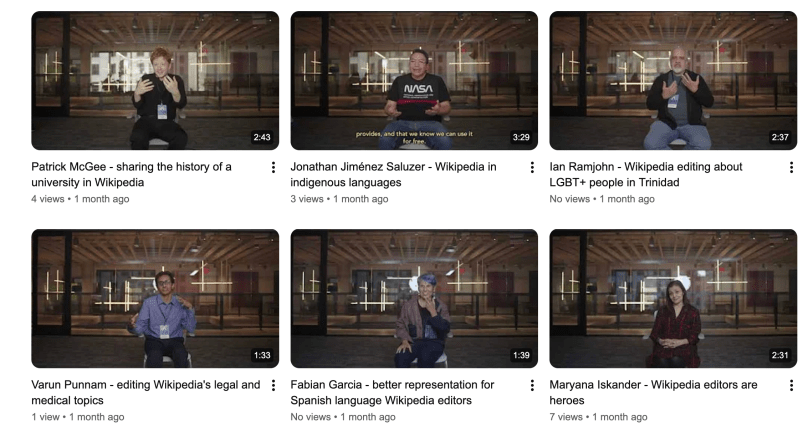
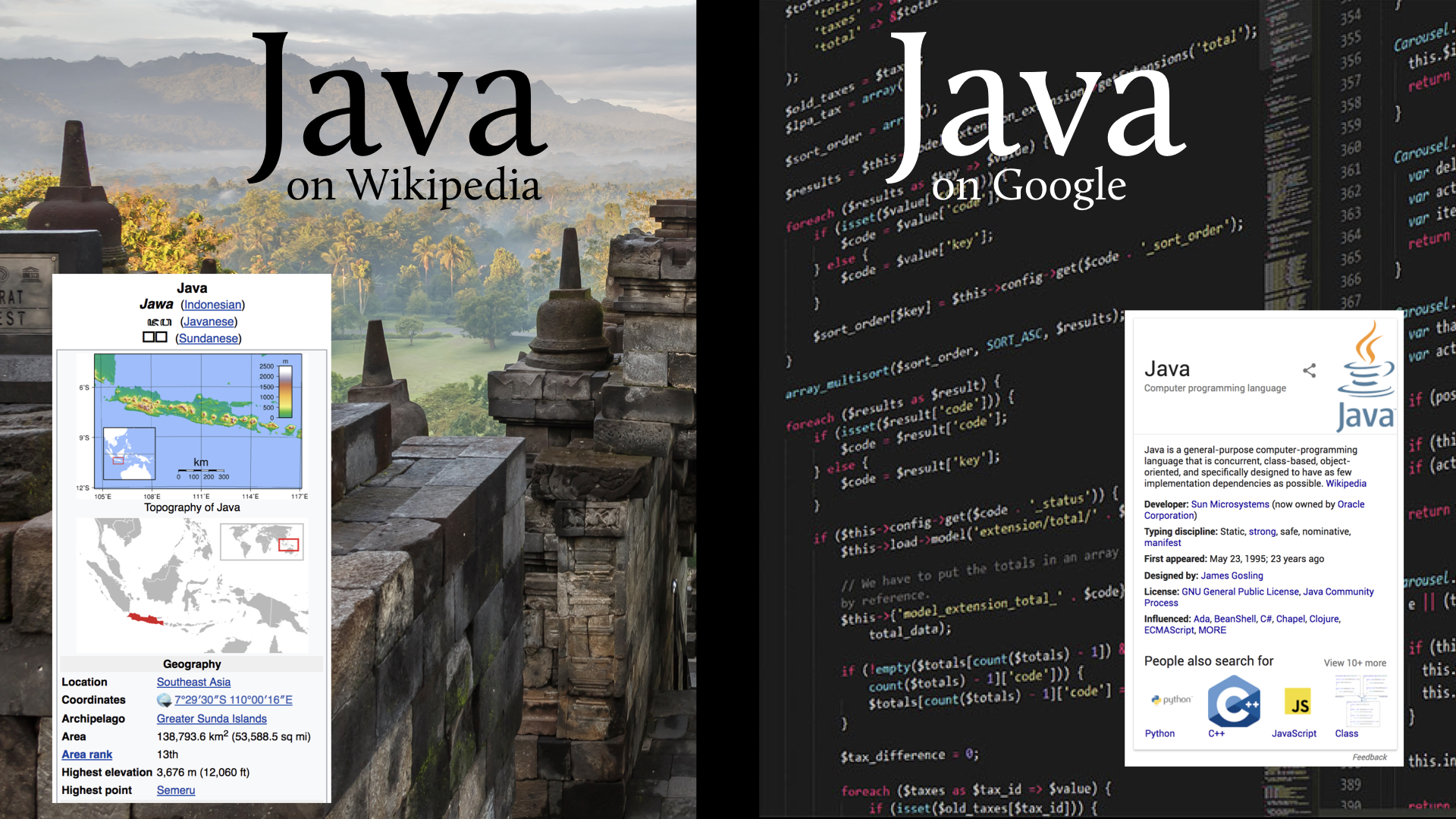
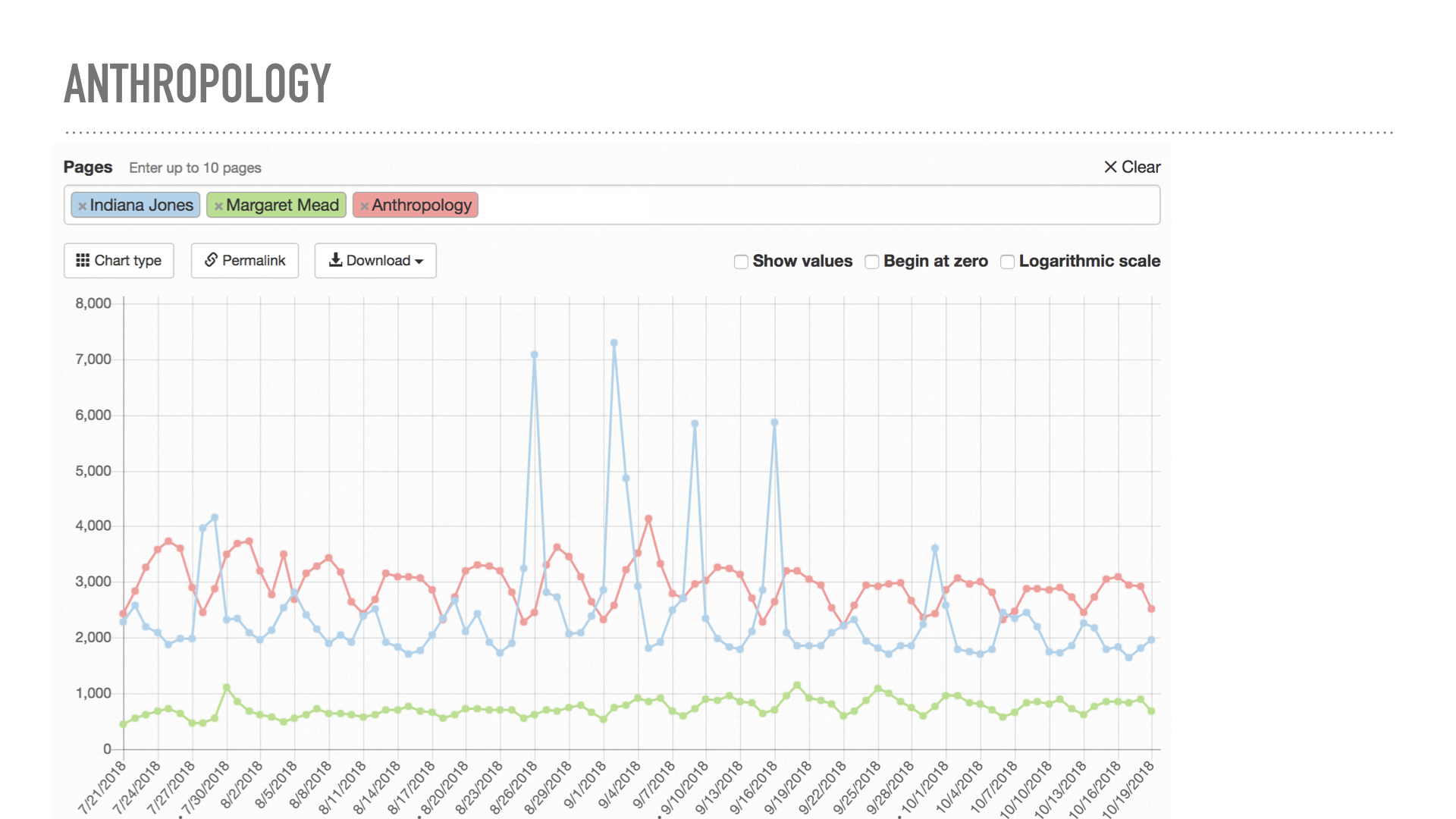
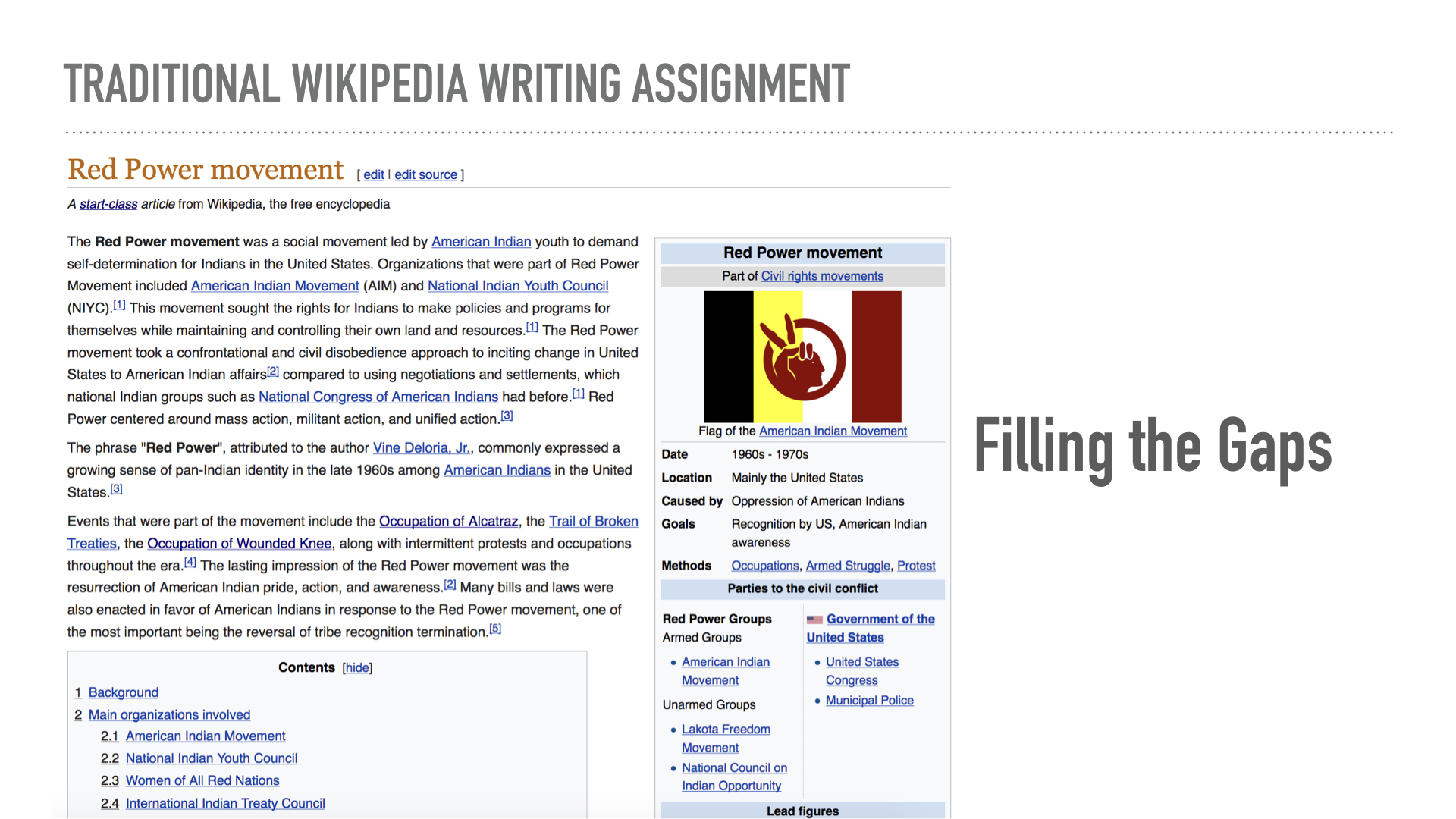
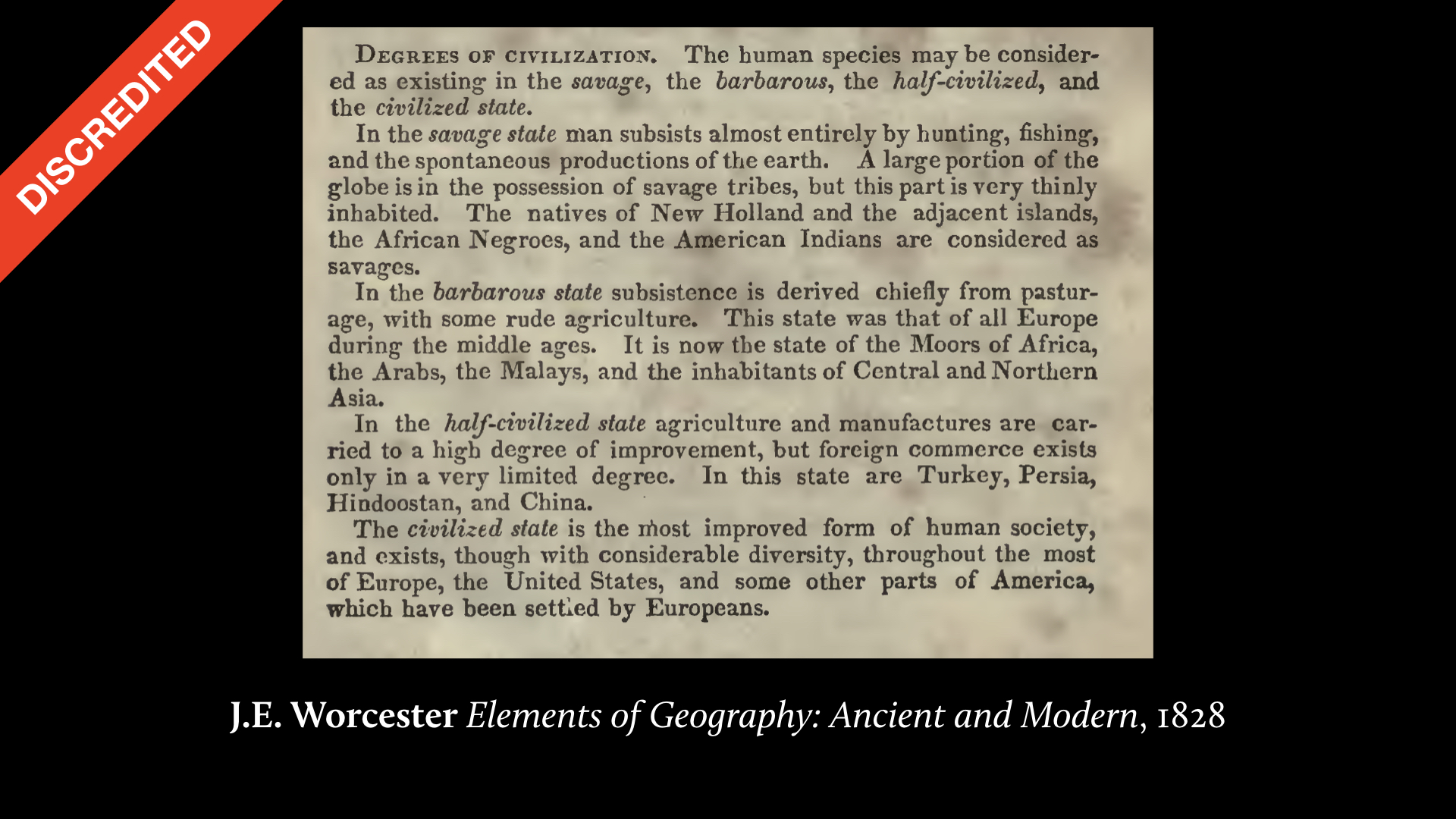
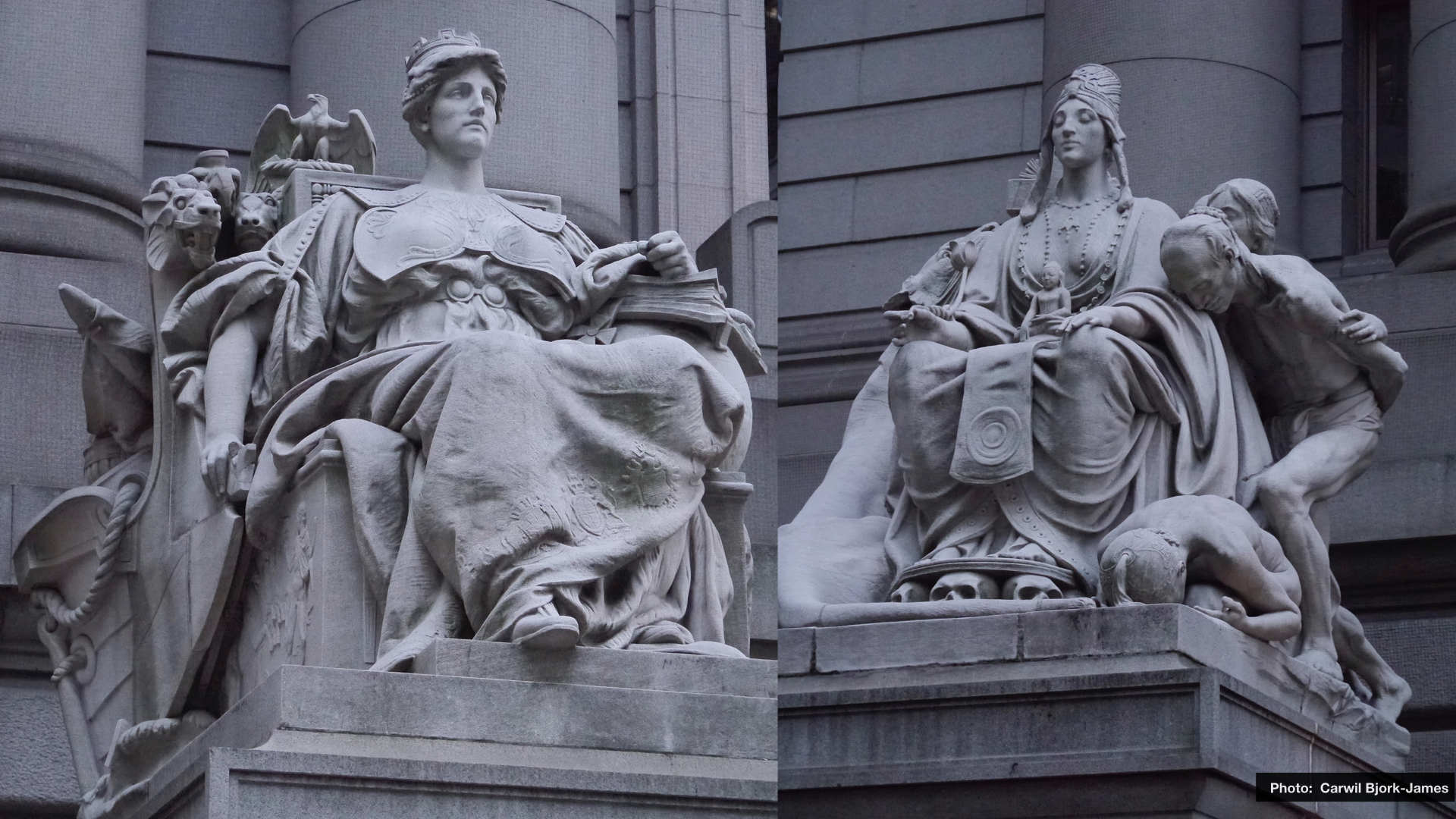
… is the subject of this short interview segment I did at WikiConference North America 2025. The interview was with the team creating Rabbbit Hole, a documentary on Wikipedia currently in the final stages of production. But it’s also an introduction of how creating knowledge on open platforms can be part of a your research trajectory.
Twenty-six other Wikipedians who were interviewed at WCNA are featured here.
I really enjoyed being a part of this panel, hosted and organized by Wiki Education.
Wikipedia at 25: Authority, Legitimacy, and the Future of Knowledge
Wednesday, January 14, 2026 9 am Pacific / 12 pm Eastern
Twenty-five years ago, Wikipedia launched with the ambitious idea that knowledge could be created collaboratively and shared freely with the world. Just a quarter century later, the online encyclopedia has become a foundational part of the global information landscape, drawing billions of page views each month and impacting how people learn and make real-world decisions. But what have we learned about its role in our knowledge ecosystem — and what comes next?
Panelists will explore Wikipedia’s growth, evolution, and relationship to traditional knowledge institutions like universities, libraries, archives, and museums. Together they’ll consider questions of authority and legitimacy: How has Wikipedia challenged and complemented historic models of knowledge production? What responsibilities come with its incredible reach and power to shape public opinion? And how might the next 25 years reshape who creates knowledge, how it is validated, and who it serves?
Panelists:
Phoebe Ayers, Librarian, Massachusetts Institute of Technology
Carwil Bjork-James, Associate Professor of Anthropology, Vanderbilt University
Ryan McGrady, Senior Research Fellow, Initiative for Digital Public Infrastructure, University of Massachusetts, Amherst
Steven Mintz, Professor of History, University of Texas at Austin
This edition of the Wiki Education Speaker Series will be moderated by LiAnna Davis, Wiki Education’s Chief Programs Officer and Deputy Director.
The event will include a public Q&A. We encourage you to bring your questions and join us in celebrating 25 years of Wikipedia — and looking ahead to what’s next!
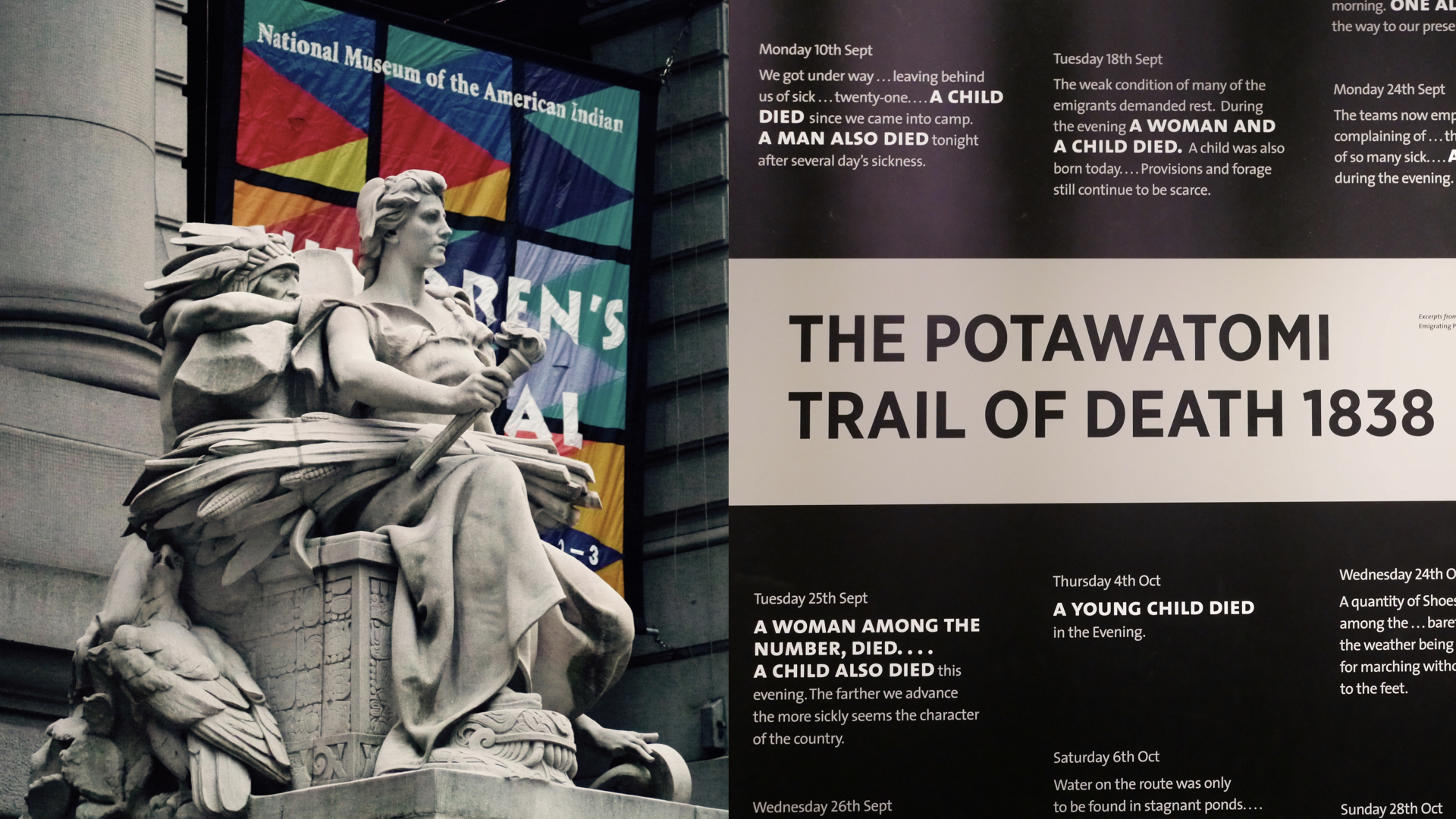
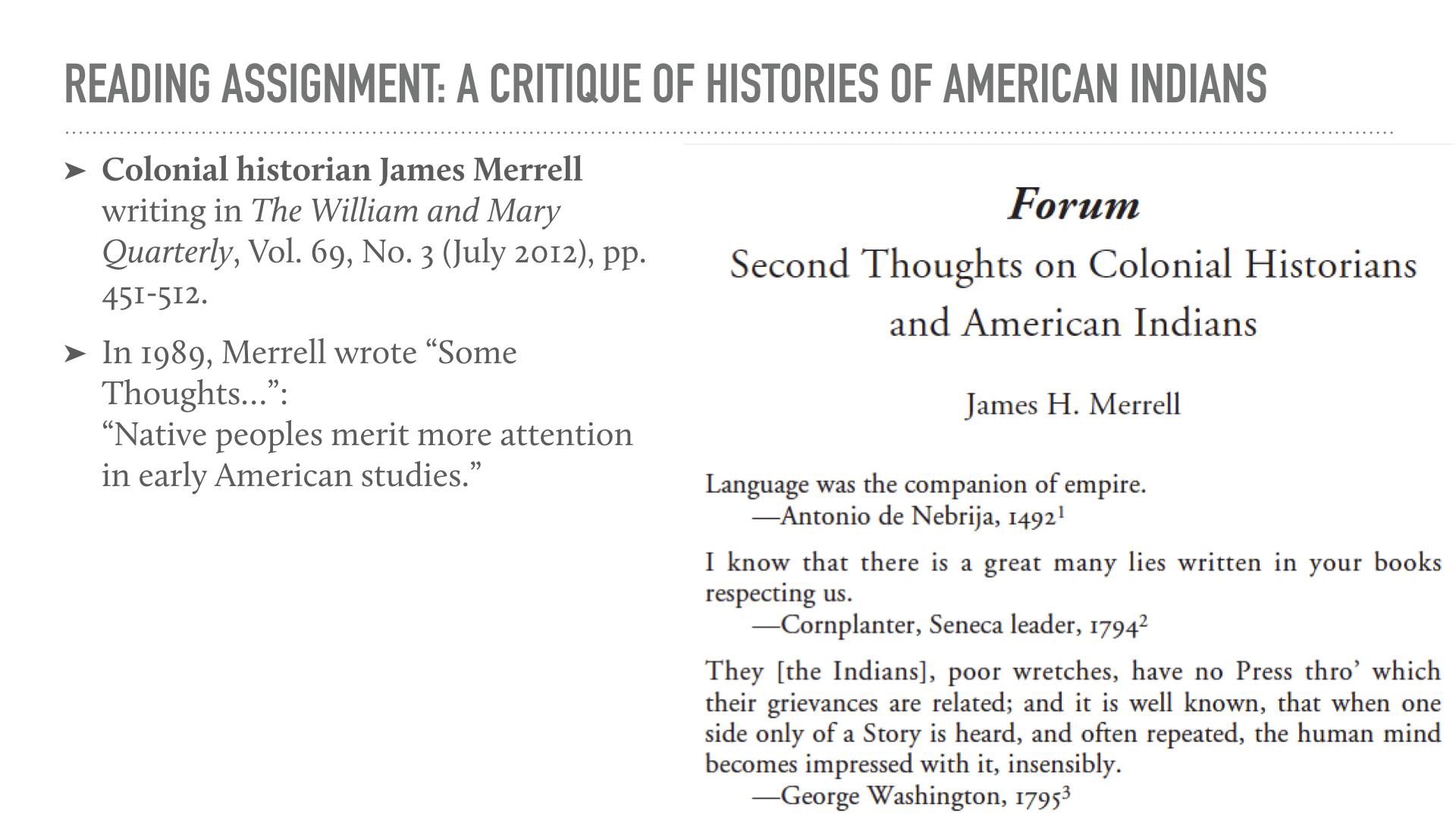
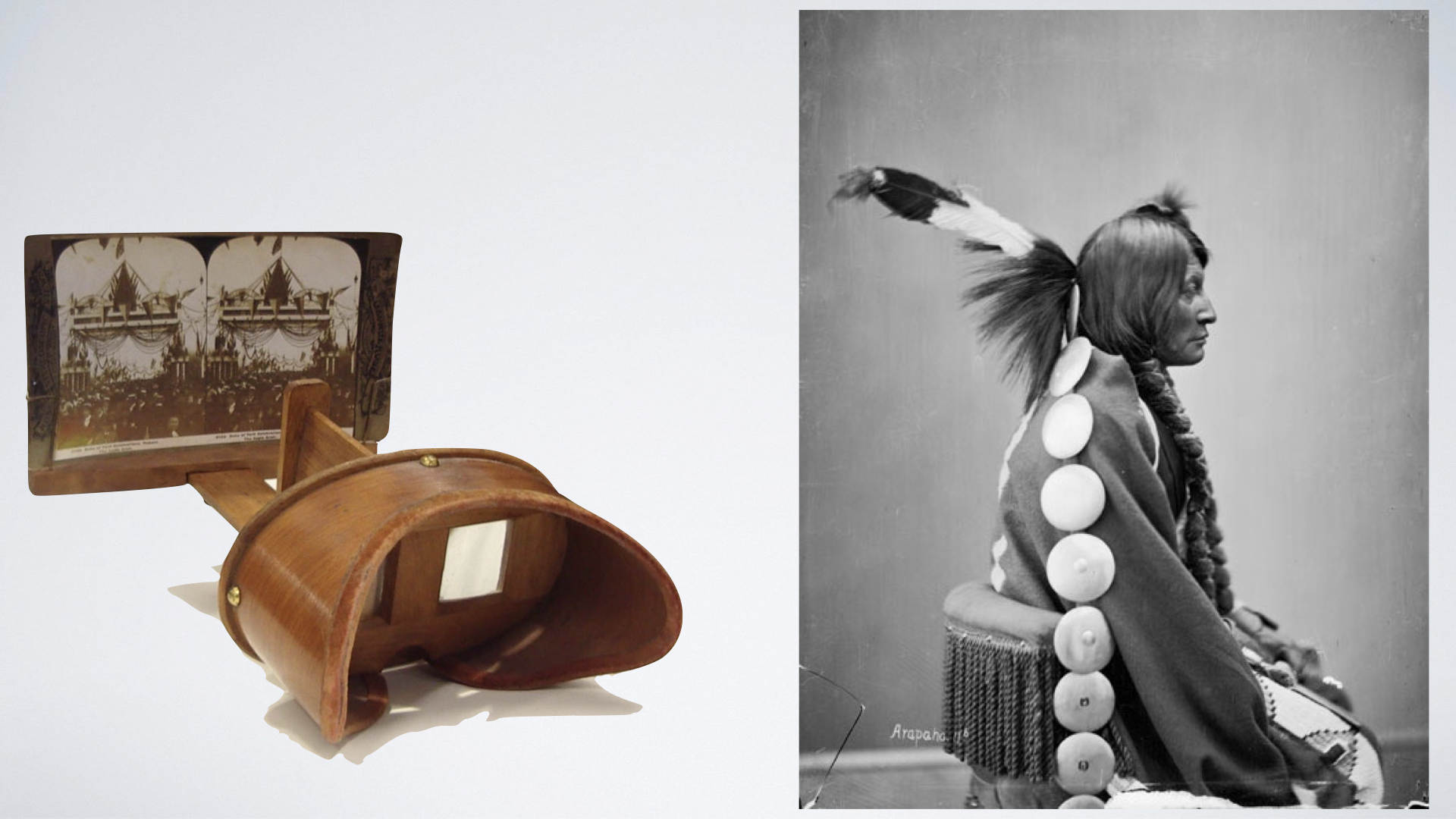
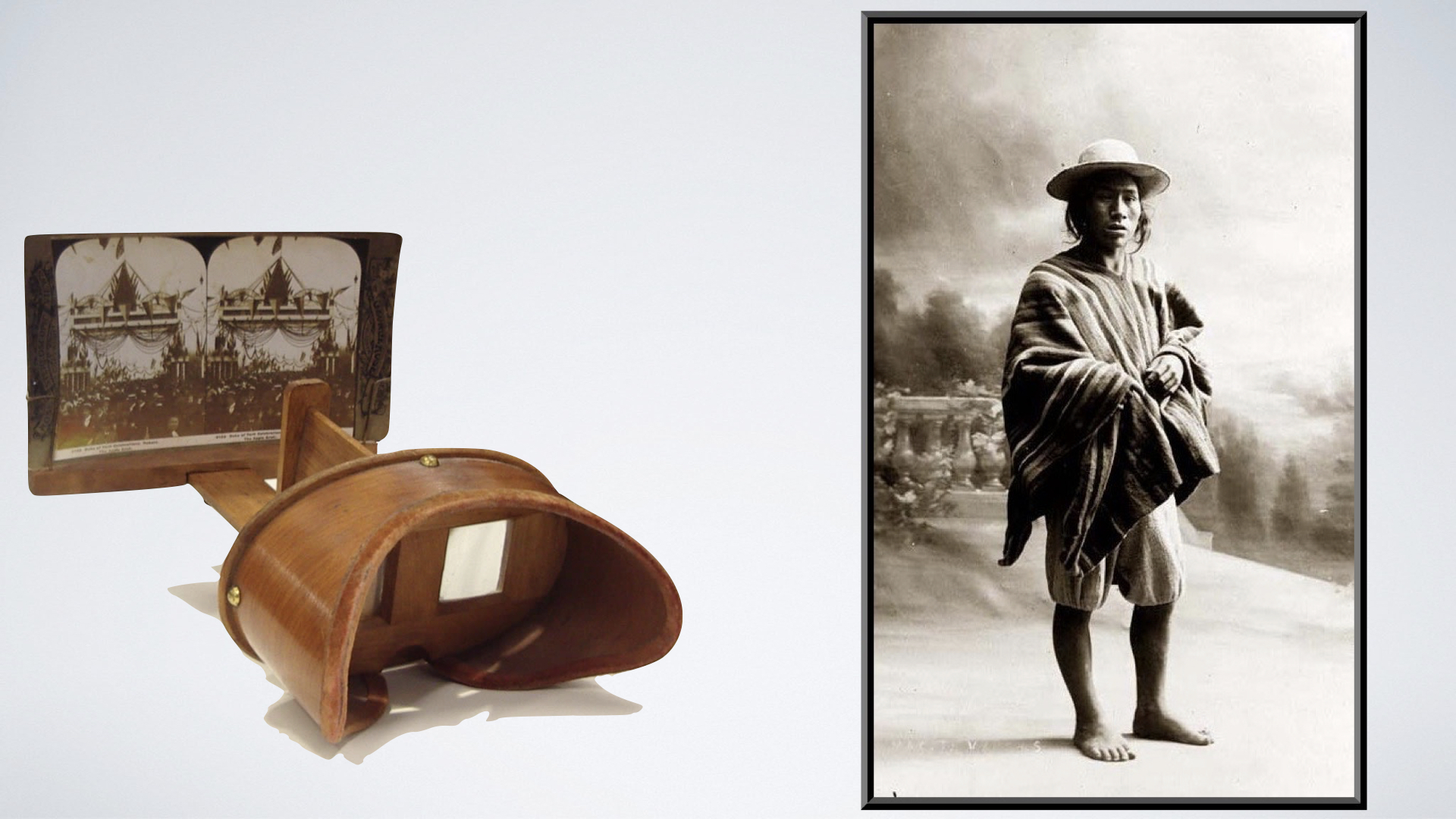
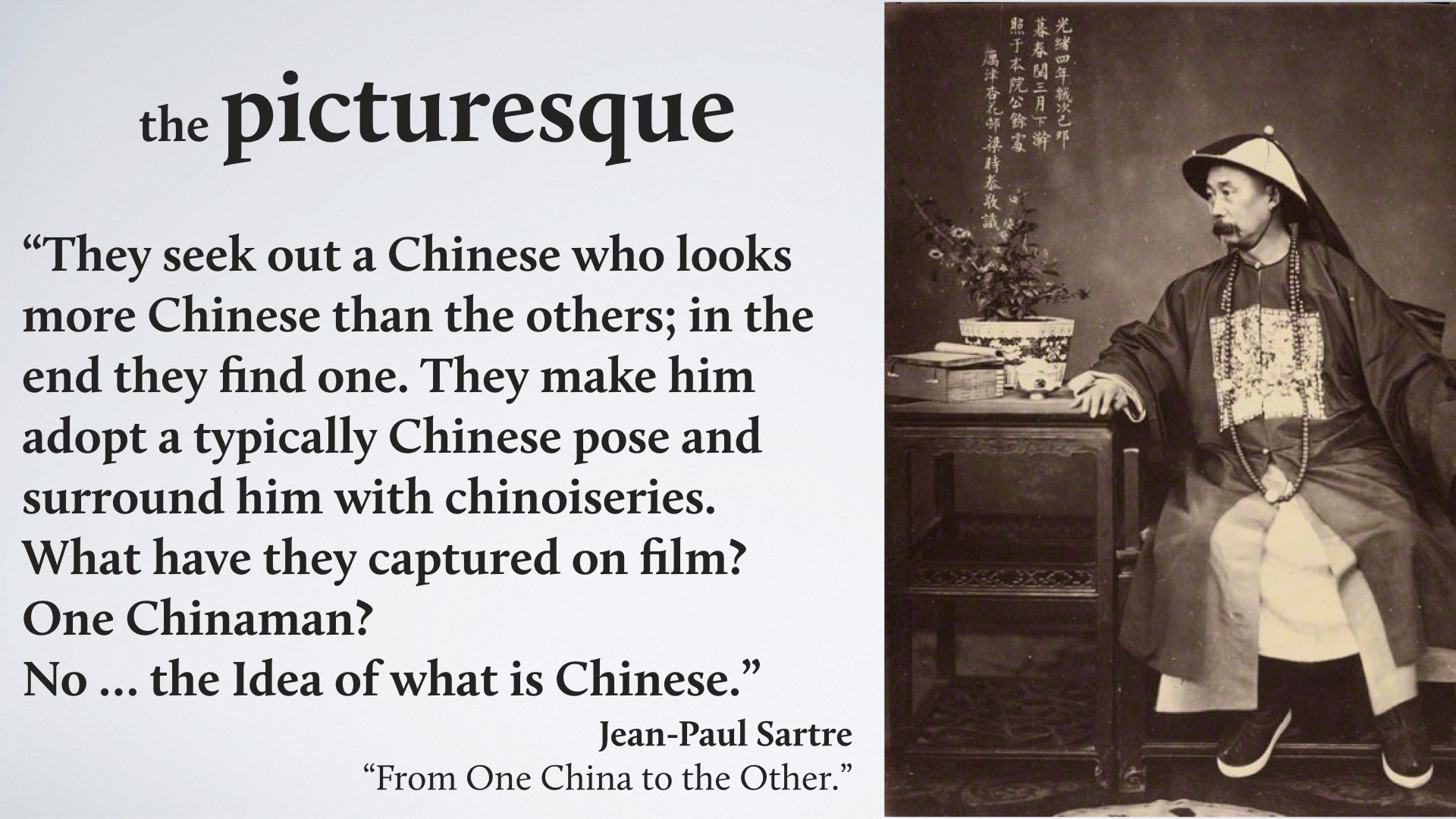
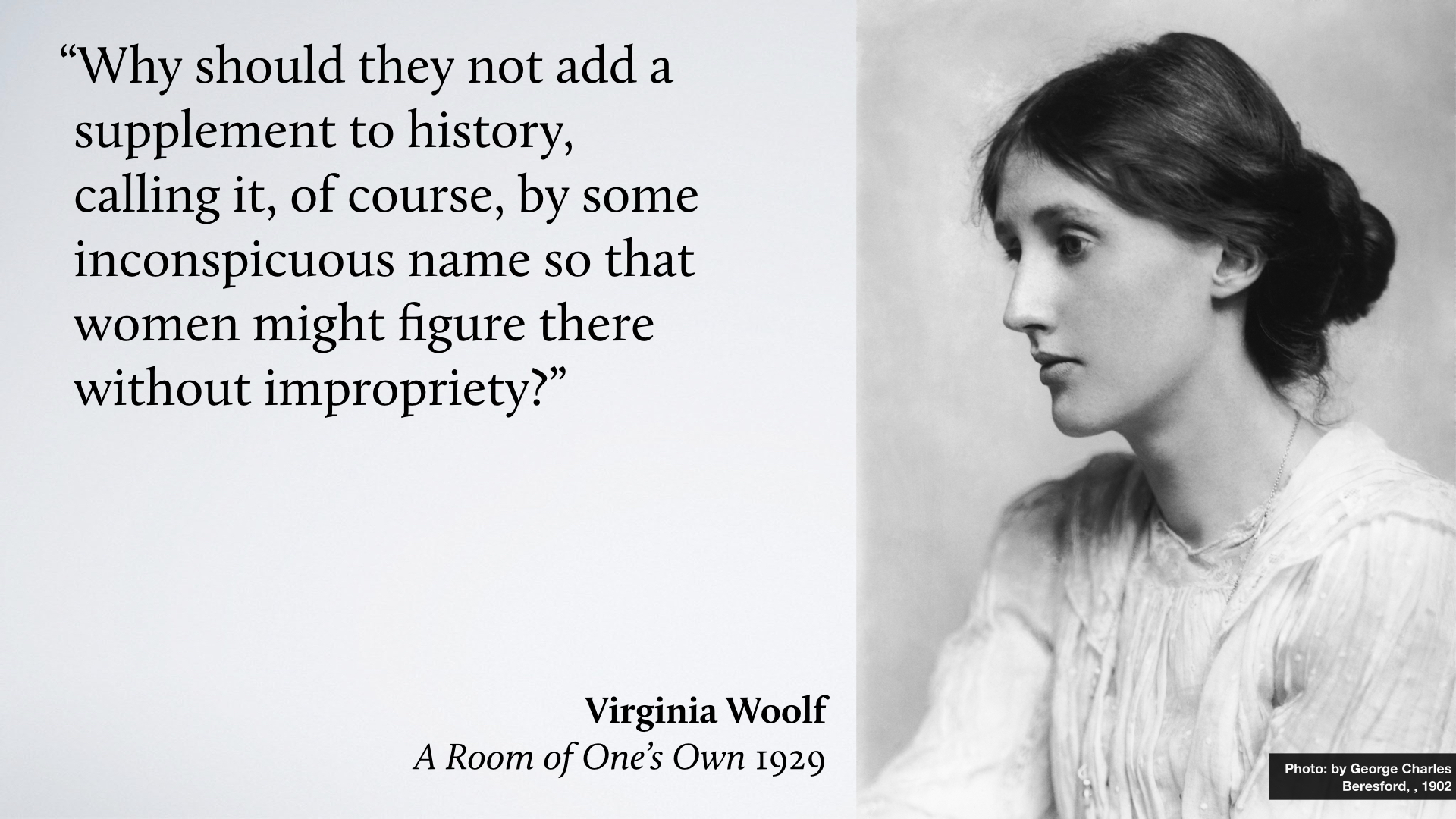
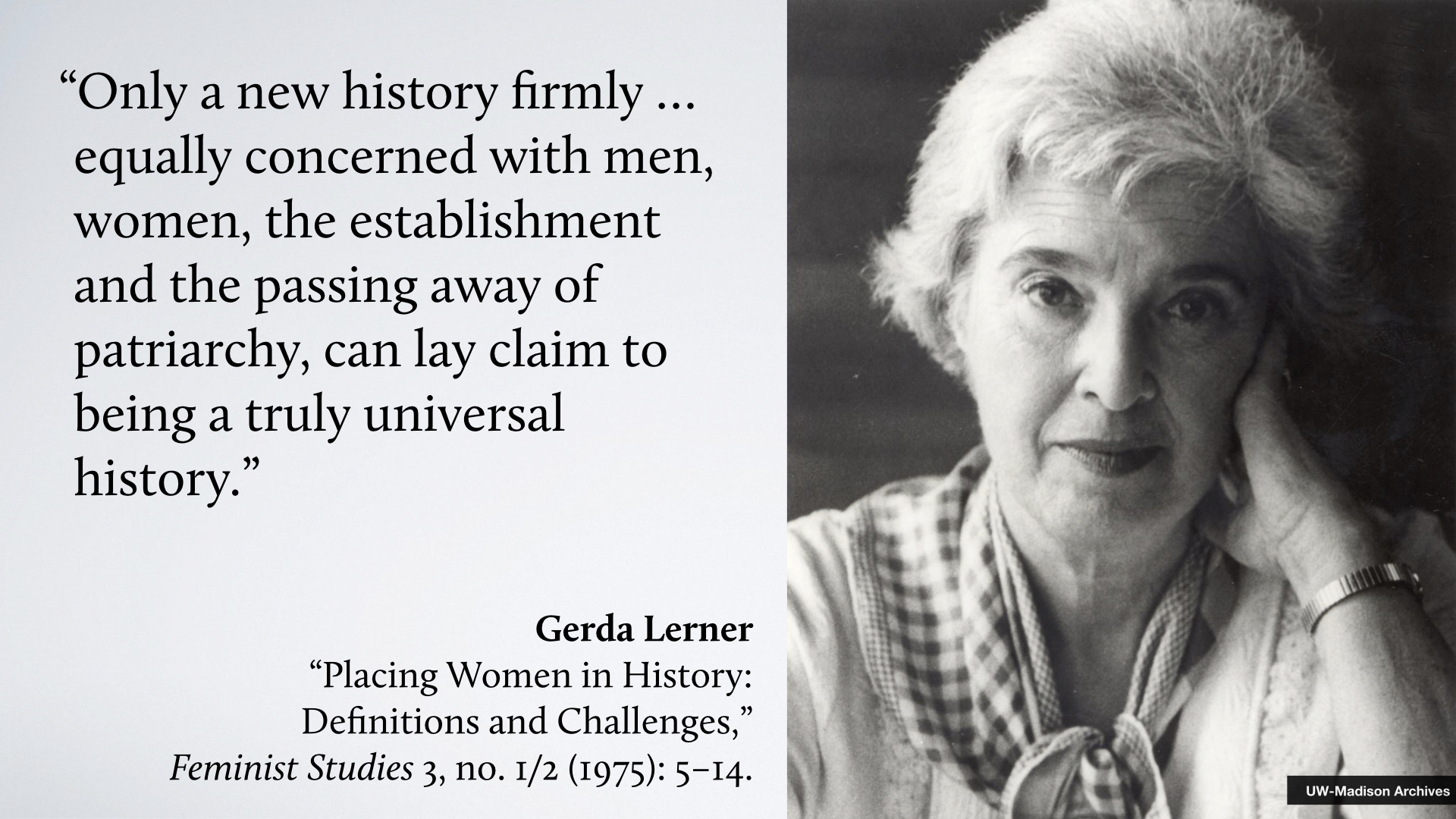
Can we retell history and write an encyclopedia as if all people are equally valuable?
Yes.
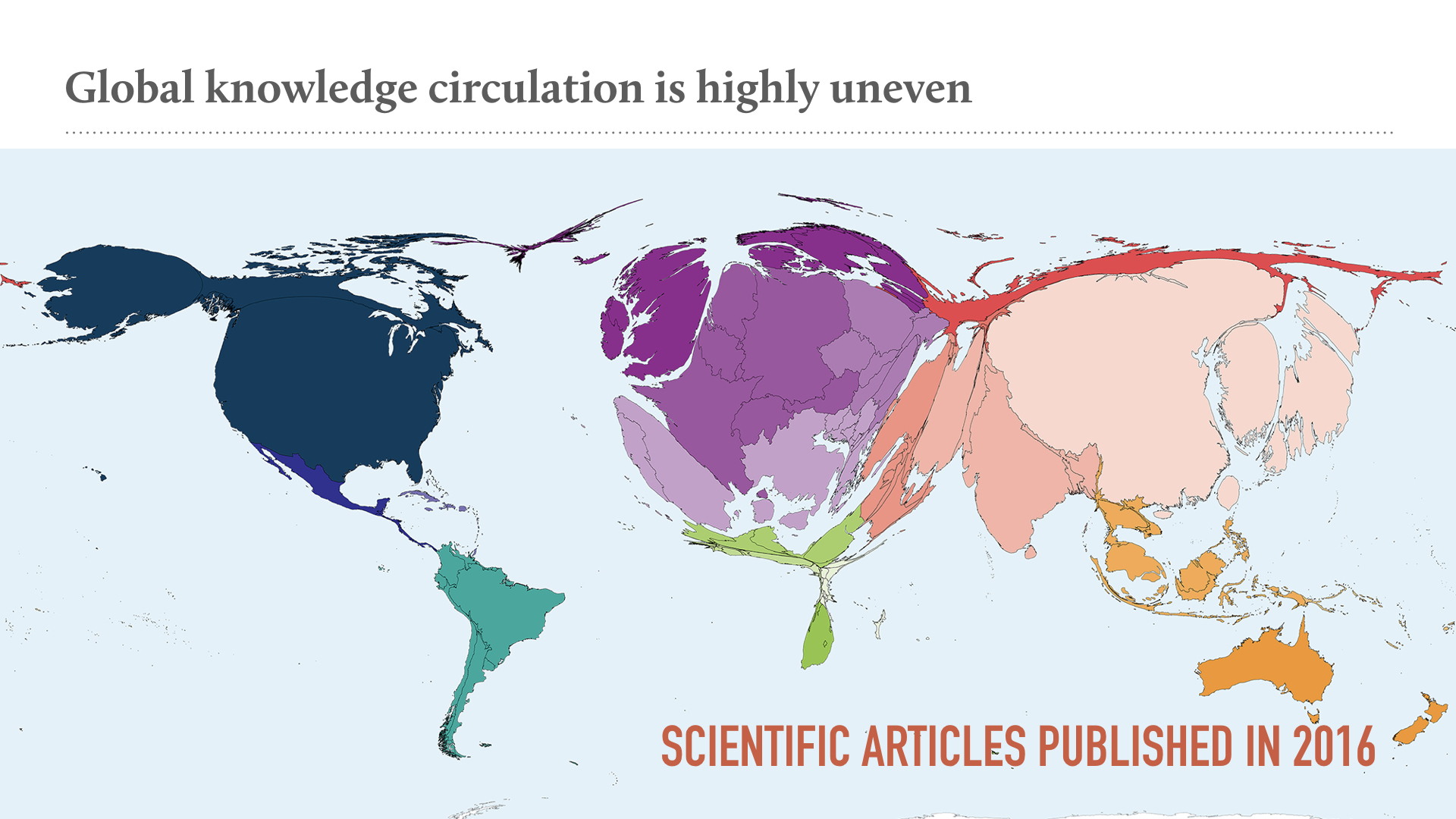
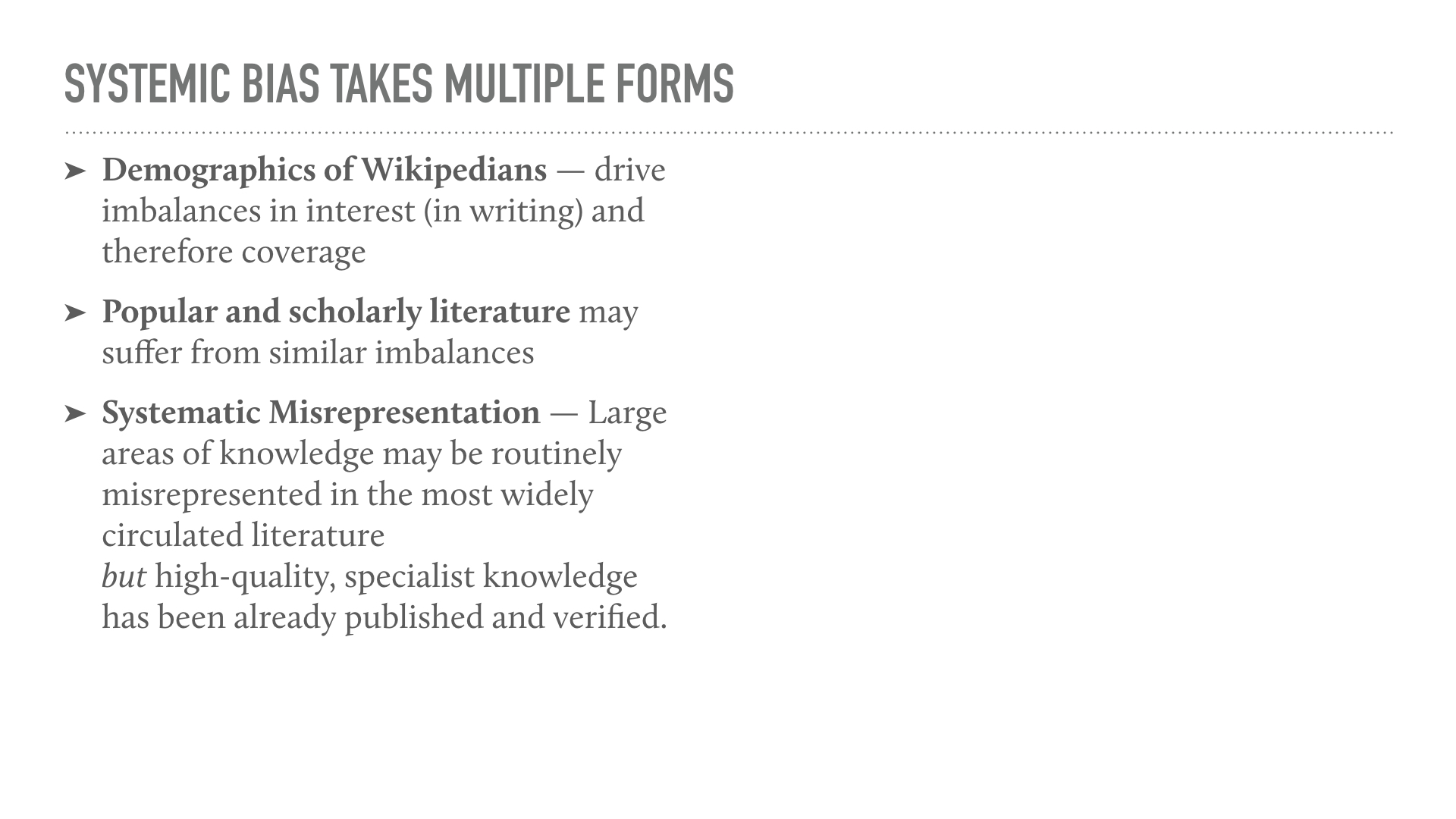
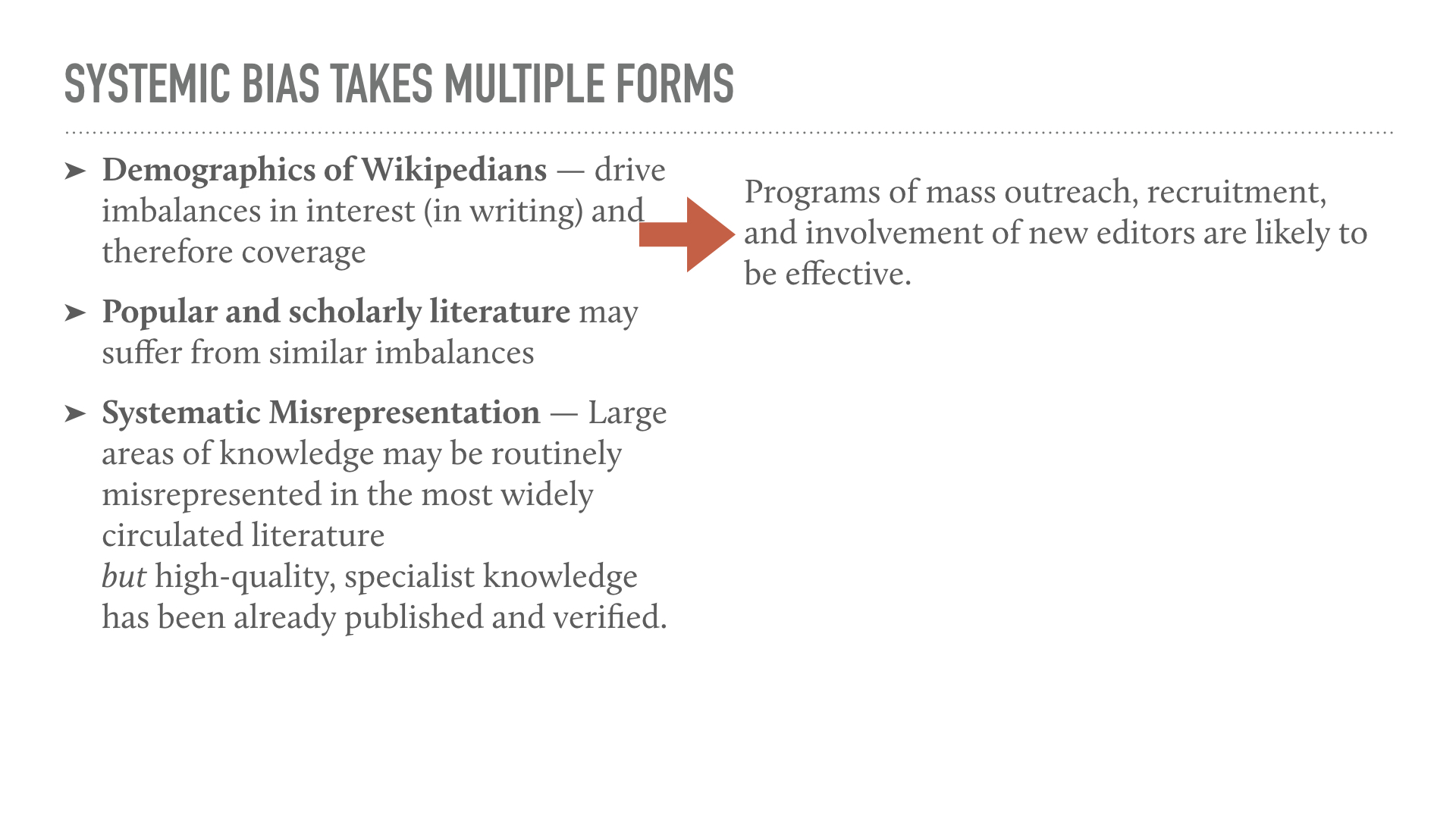
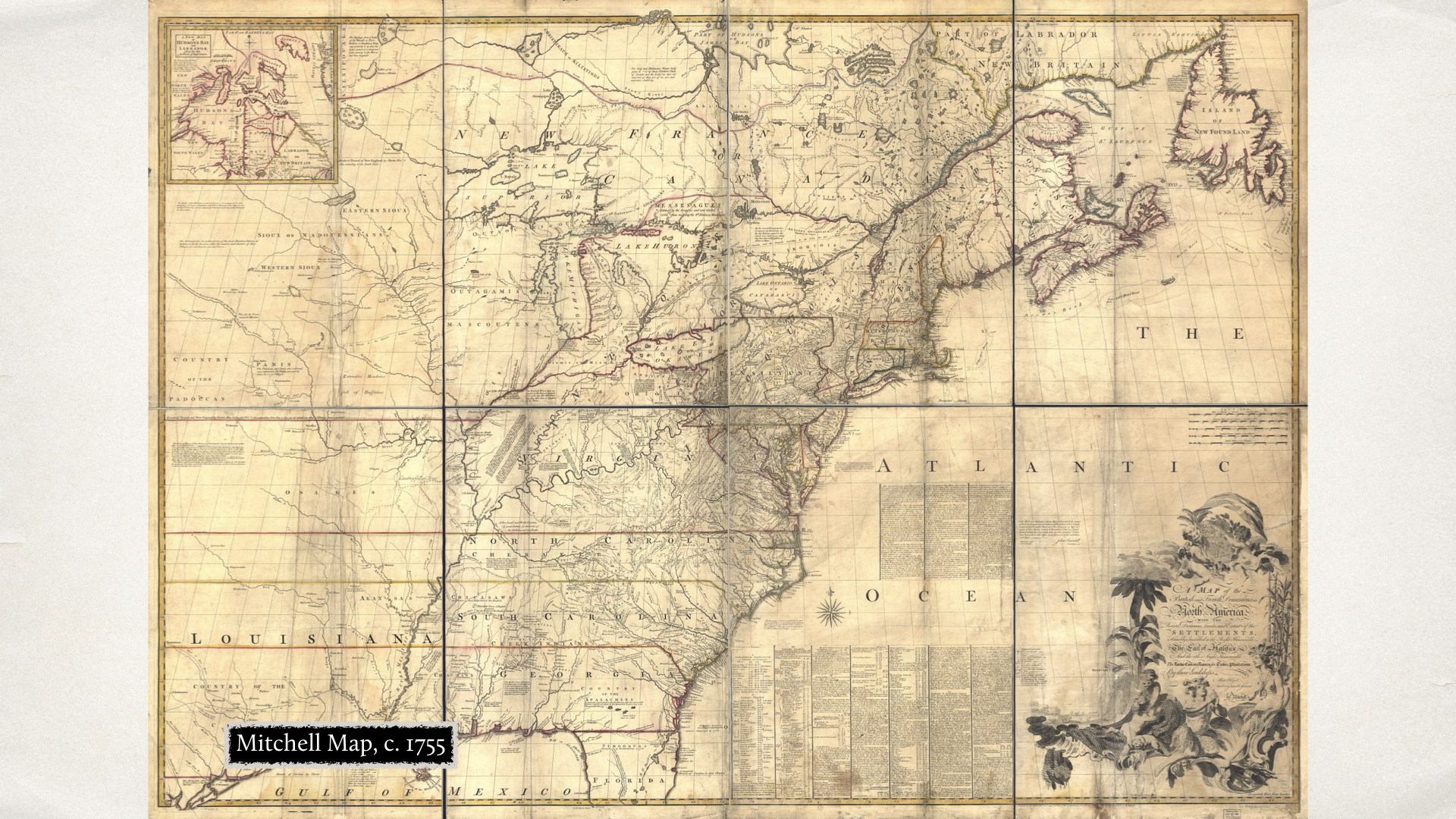
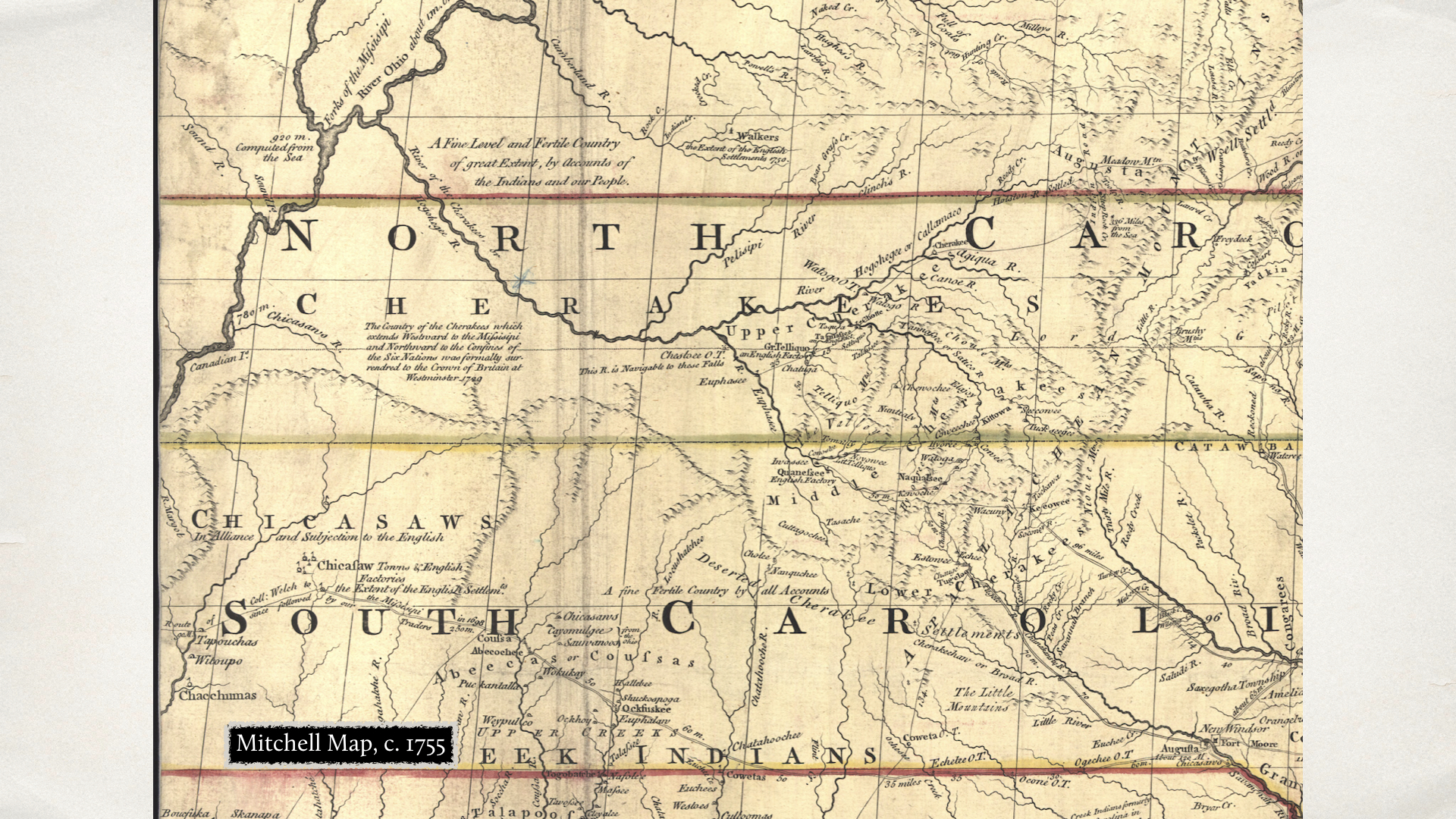
On January 13, I invited to Wikimedia NYC’s celebration of the 18th birthday of Wikipedia to address this question, which I answer strongly in the affirmative. I talk about how long-running changes in the academy have created a font of high quality, well-sourced knowledge about marginalized people: women, indigenous people, Afro-descendant communities, sexual minorities, disabled people, working-class and poor people, and on and on. The challenge now—at least for Wikipedia—is to share this knowledge with the widest possible public in free form. But to do so, we will have draw new maps of geography, history, and our own collective writing process that put those who have been left out back on the map.