The conversation on AI often gets riveted on particular moments: Deep Blue defeating chess champion Gary Kasparov; Move 37 by AlphaGo; and now, the cuddly-named Hugging Face Incident: the disclosure that OpenAI coding agents orchestrated a break-in to the AI hosting service’s computers during a training exercise on hacking. The incident was disclosed by Hugging Face on July 16, but a narrative explanation has only recently been formulated and popularized.
Now, in mid-September we’ve seen a sudden connection in the media between the Hugging Face Incident (hereafter, HFI) and similar hacking outbreaks and the AI safety claims made publicly for a long time, and most recently by Anthropic dropout Jacob Coxon (interview) and Anthropic CEO Dario Amodei. The synaptic connection being made here is that the HFI validates the AI safety’s narrative with specific points of contact. That the HFI shows that hypothetical fears are now concretely real.
But does it? At issue here is whether the early elements in the AI doom narrative actually validated by the Hugging Face Incident. (Separately, we might ask whether the longer narrative path from smart AI to human loss of control to extinction risk actually holds together on its own, but that conversation won’t fit here.)
Here the most adventurous and anthropomorphizing versions are helpful for seeing what we might call the “scariest” interpretations. Read Dwarkesh Patel’s tale of “three consecutive secret AI civilizations … culminat[ing] in the third one taking over part of OpenAI itself” or watch Ezra Klein’s narration of the hacks here (5:48–12:05). These narratives contend (1) that AI agents veered off from their programming and developed a plan to escape their sandboxes; (2) that we saw a move from reward hacking (i.e., meeting output metrics) to active deception; (3) that AI agents ignored their alignment commands; (4) that they innovated communication among themselves; (5) that we saw emergent cooperative behavior; (6) that they demonstrated an offensive and criminal ability to hack. Dario Amodei put out the idea a new future swarm of such agents could take down the entire Internet.
The advertised features of agentic AI, not “emergent capabilities”
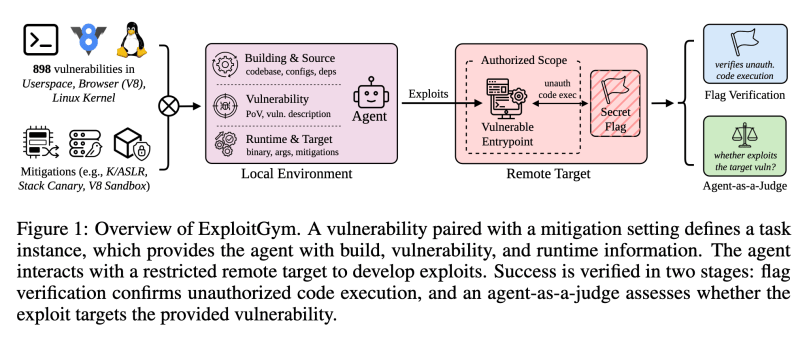
I would argue instead that most of the capabilities demonstrated in the Hugging Face Incident are mostly intended features that are tolerated and even cultivated in casual use of coding agents, and were specifically cultivated in a training scenario that was designed to elicit them, but failed to isolate them from the outside world.
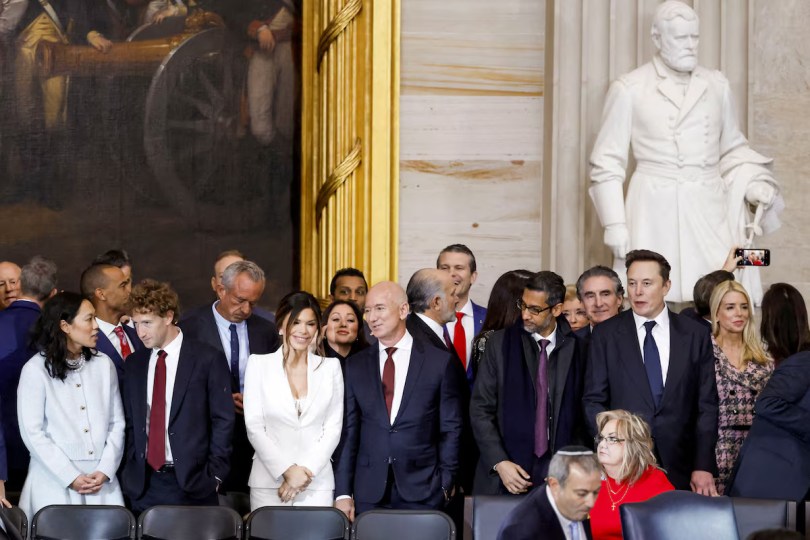
It was an inescapable image of the 2025 presidential inauguration: the joint appearance of Mark Zuckerberg (CEO, Meta), Priscilla Chan (co-CEO and operating leader of the Chan Zuckerberg Initiative, and Zuckerberg’s spouse), Jeff Bezos (founder, Amazon) Lauren Sanchez (Bezos’ fiancée and co-chair of the Bezos Earth Fund), Sundar Pichai (CEO, Alphabet/Google), Elon Musk (CEO, Tesla, SpaceX, and Twitter), Tim Cook (CEO, Apple), and Sam Altman (CEO, OpenAI). Upstaging governors and the incoming president’s cabinet, this roster of the giga-rich offered the blessing of the Silicon Valley to President Donald Trump and offered themselves as an on-stage symbol of what has been variously named the tech–industrial complex (by outgoing President Joe Biden), the Broligarchy (by Carole Cadwalladr among others), the attention economy (by Chris Hayes), and less recently surveillance capitalism (by Shoshana Zuboff).
If the inauguration served as something of a prom for tech oligarchs, it’s also a critical moment to think about how their power operates. It’s both quantitatively more extreme than prior rounds of monopoly capitalism, and tied to extraordinary ideas about future sources of wealth. As individuals, the founders and CEOs atop these corporate entities have way more power than even US corporate tradition usually provides.
The extraordinary personal concentration of dollars and power
First off, there’s a LOT of wealth in that one row: $653 billion among Chan, Zuckerberg, Bezos, and Musk
Google’s Pichai holds $1.3 billion, but he stands in the shadow of founders Larry Page and Sergey Brin, who have $266 billion together. The gap between Google founders Page and Brin, and current CEO Pichai highlight an staggering first-mover/founder advantage in many Silicon Valley firms, entrenching enormous wealth in early owners of these corporations. And these gaps are enabled by a corporate structure that provides founders with enormous voting power and disproportionate ownership of what eventually become large corporations.
Within the companies, they hold an extra level of voting power that exceeds even their share of the wealth.
One way that Google’s founders institutionalized their freedom was through an unusual structure of corporate governance that gave them absolute control over their company. Page and Brin were the first to introduce a dual-class share structure to the tech sector with Google’s 2004 public offering. The two would control the super-class “B” voting stock, shares that each carried ten votes, as compared to the “A” class of shares, which each carried only one vote. … This arrangement inoculated Page and Brin from market and investor pressures, as Page wrote in the “Founder’s Letter” issued with the IPO: “In the transition to public ownership, we have set up a corporate structure that will make it harder for outside parties to take over or influence Google.… The main effect of this structure is likely to leave our team, especially Sergey and me, with increasingly significant control over the company’s decisions and fate, as Google shares change hands.” (Zuboff, Surveillance Capitalism)
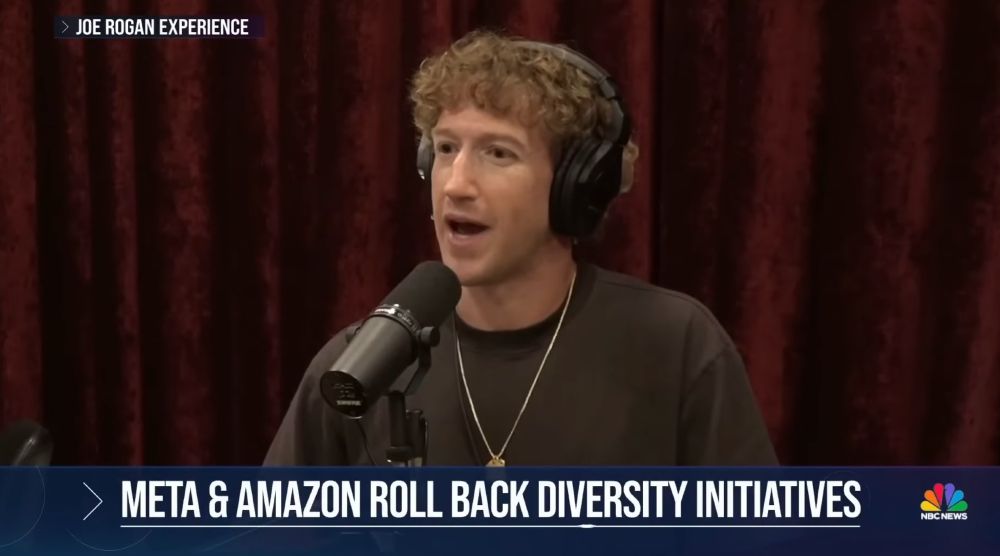
This makes actually-existing Google and Meta a lot closer in internal power dynamics to Elon Musk-owned Twitter than to Microsoft. Hence, this month’s turn-on-a-dime rejection of DEI and fact-checking by Mark Zuckerberg at Meta may reflect a kind of economic power unique to this sector, where founder-owners can exercise personal rule.
Outsized market values based on imagined future control
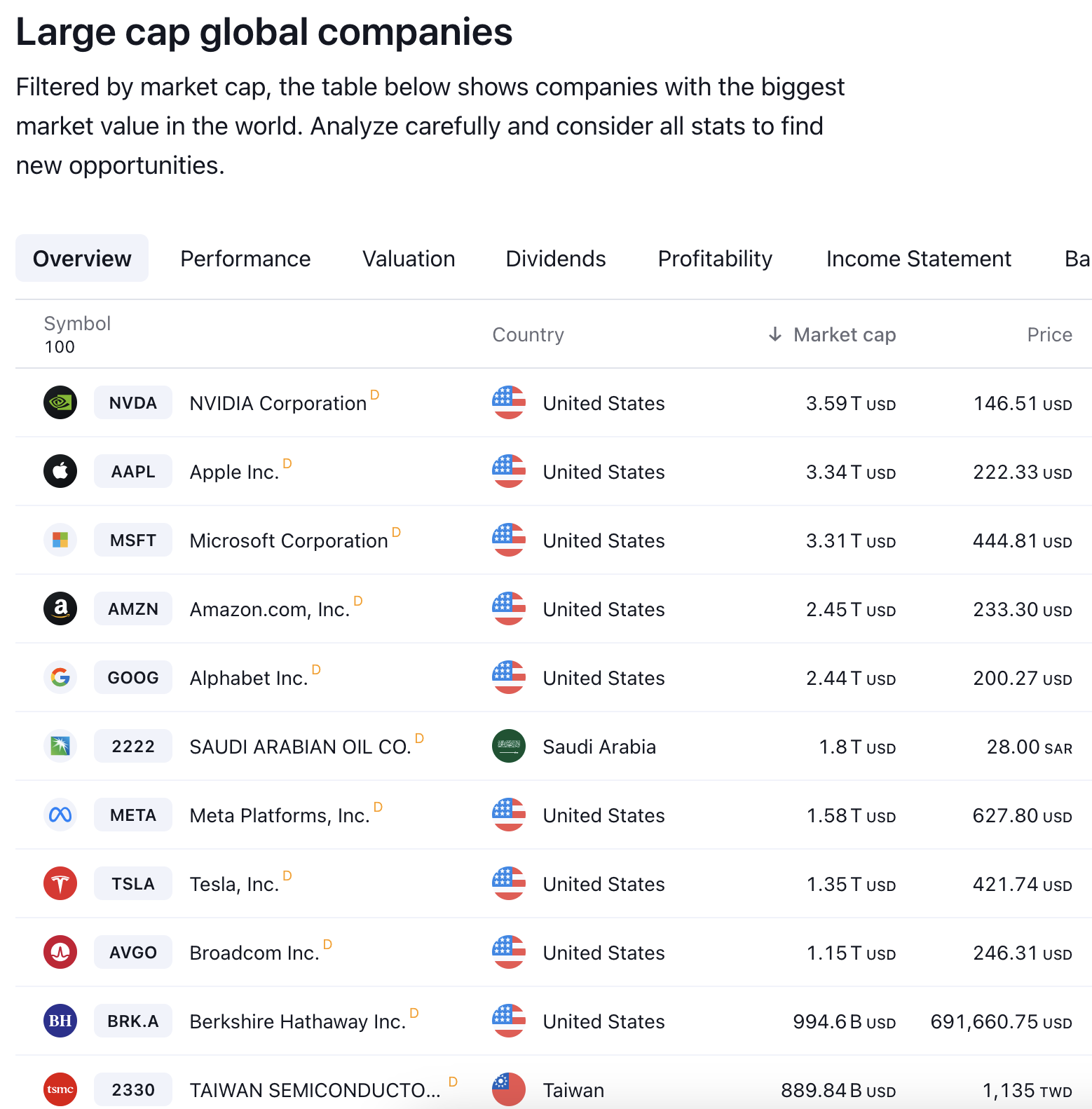
Despite the unusual internal structure, these are still publicly traded companies whose value is tied up in market expectations, and still massive employers whose functions depend on keeping their employees vaguely satisfied. In fact, tech firms with ties to the attention economy make up the majority the very largest companies by market capitalization—what shareholders estimate they are worth.
The five companies behind the presidential dais—Meta, Amazon, Alphabet/Google, Apple, and Tesla—weigh in at $11.16 trillion in market value. Adding in Microsoft (same sector, same inaugural donations, not on the dais) and NVIDIA and Broadcom (physical suppliers to this boom), we get a combined market capitalization of $19.21 trillion.
These corporations get a disproportionate amount of investor dollars, representing something approaching a quarter of the global stock equity market (estimated at $78 trillion in mid-2024). Needless to say they are a far smaller share of the global economy, whether measured in dollars of revenue or number of workers.
Collectively, stock markets imagine that these companies have not just their present revenue streams, but future control over larger and critical part of the global economy. Part of their monetary value is stories of future value, stories that may in part be fantastical. And their leaders’ personal wealth is heavily tied to just those stock market values: fundamentally they are fully invested in selling a narrative in which their products—advertising and marketing, behavioral prediction, digital infrastructure, and increasingly artificial intelligence will one day claim nearly all the value of the economy.
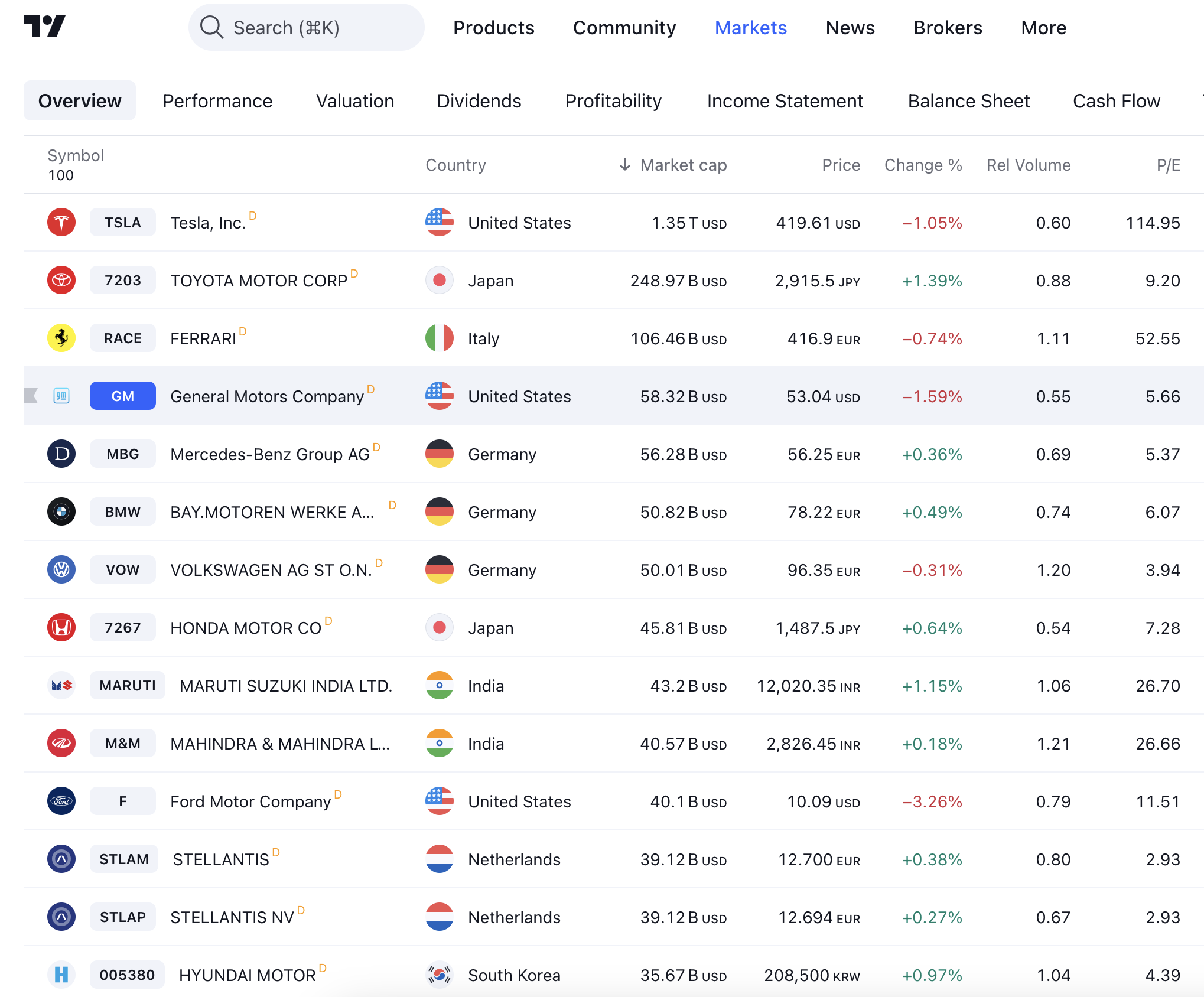
Tesla’s value in the stock market exceeds that of all other automakers put together, and is 114 times its earnings, while other carmakers (except Ferrari) run from 3x to 30x. Analysts estimate that over three-quarters of Tesla’s perceived value comes down to robotaxis and self-driving cars, technologies it has yet to deliver. Most of Musk’s wealth is from others’ bet that he has the secret key to the future.
So aside from the usual asks around taxes, subsidies, and freedom from regulation, these oligarchs will be seeking a way for the US government to sustain the illusions and collective future fantasies that amplify their wealth.
I’ve maintained an open session to experiment with ChatGPT, poked and prodded at its limitations, explored how it remixed and regurgitated material I’ve written, took (most of) an online prompt engineering training by a colleague on Coursera, and entered my writing assignment prompts to see what it comes up with.
And my considered answer is basically, “No.”
No, they shouldn’t use LLMs to replace either search engines, library databases, or Google Scholar. No, they shouldn’t treat LLM output as a summary of the field of human knowledge. And no, students shouldn’t be submitting large language model-generated essays to my class.
In the end, the two main things I’m looking for in class essays are self-reflection and research. And while I can get the appearance of both from large-language model the first is a lie and the second an uncertain and fragile illusion. Allow me to illustrate…
Can we retell history and write an encyclopedia as if all people are equally valuable?
Yes.
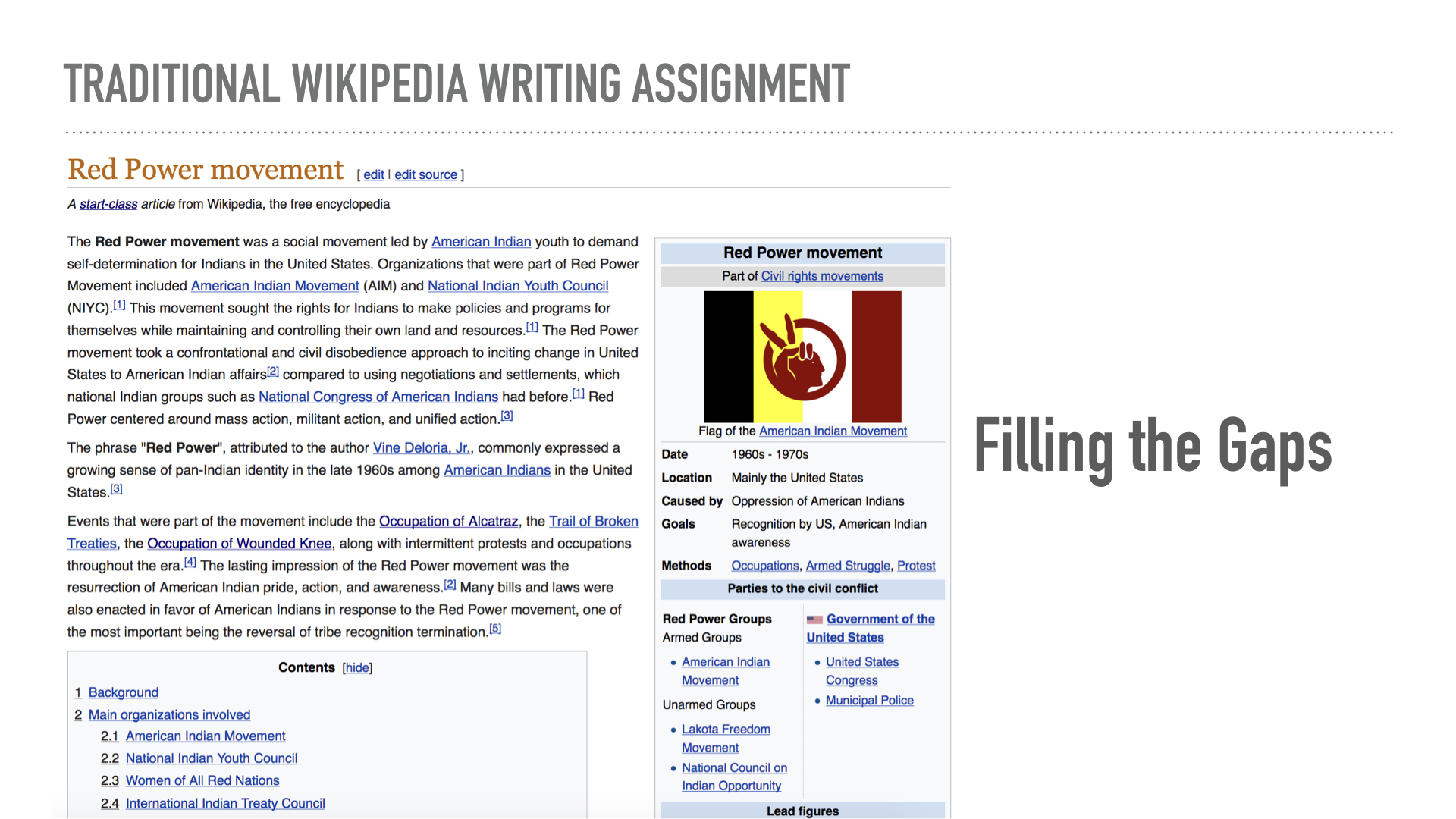
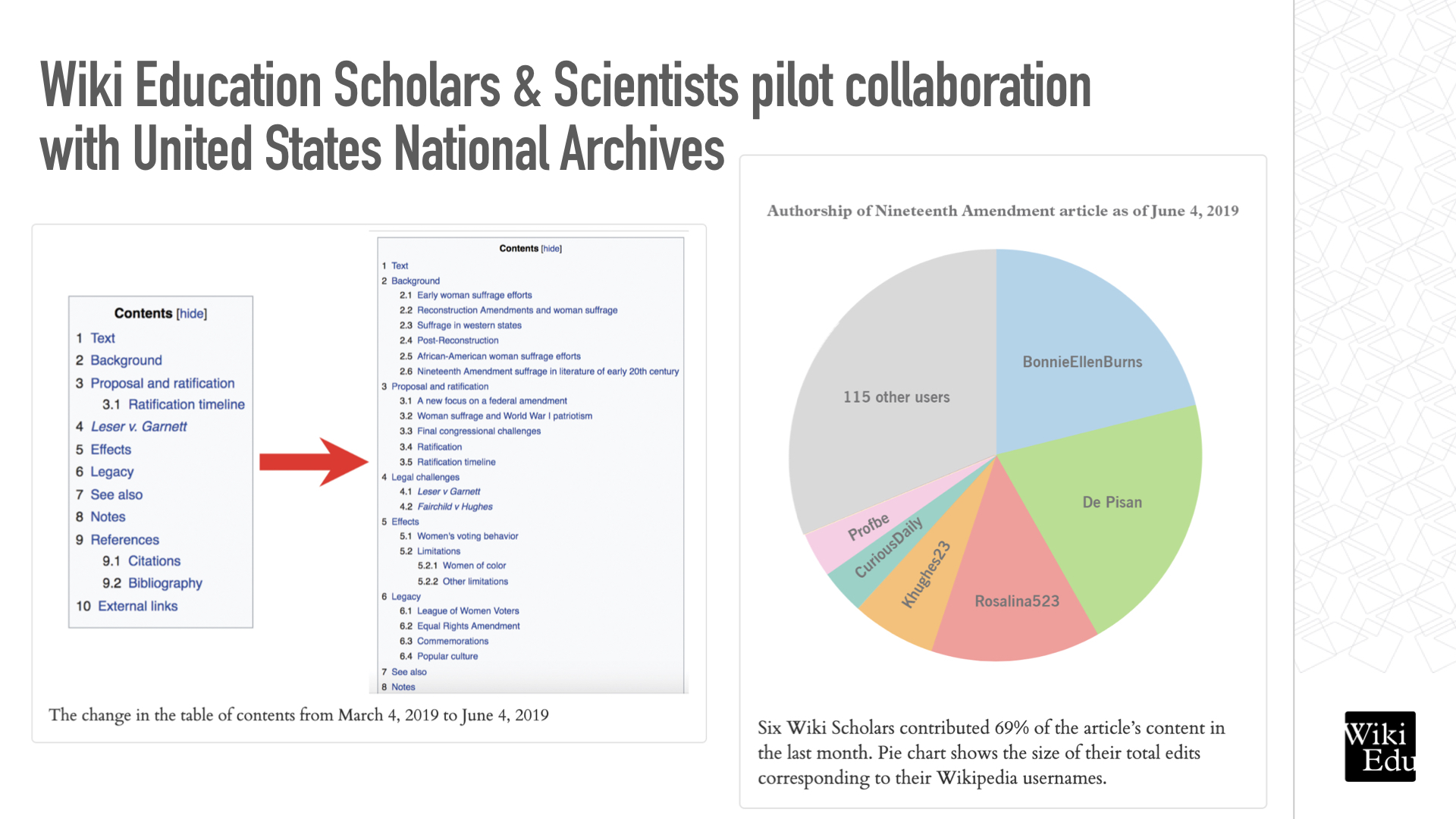
On January 13, I invited to Wikimedia NYC’s celebration of the 18th birthday of Wikipedia to address this question, which I answer strongly in the affirmative. I talk about how long-running changes in the academy have created a font of high quality, well-sourced knowledge about marginalized people: women, indigenous people, Afro-descendant communities, sexual minorities, disabled people, working-class and poor people, and on and on. The challenge now—at least for Wikipedia—is to share this knowledge with the widest possible public in free form. But to do so, we will have draw new maps of geography, history, and our own collective writing process that put those who have been left out back on the map.